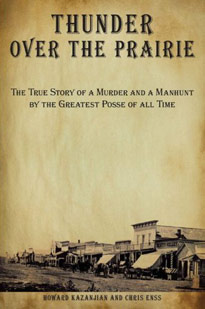
Thunder Over the Prairie

Thunder Over the Prairie Book Cover

The year was 1878. Future legends of the Old West–lawmen Charlie Bassett, Bat Masterson, Wyatt Earp, and Bill Tilghman–patrolled the unruly streets of Dodge City, Kansas, then known as “the wickedest little city in America.”

When a cattle baron fled town after allegedly shooting the popular dancehall girl Dora Hand, these four men–all sharpshooters who knew the surrounding harsh, desertlike terrain–hunted him down, it was said, like “thunder over the prairie.” The posse’s legendary ride across the desolate landscape to seek justice influenced the men’s friendship, careers, and feelings about the justice system. This account of that event is a fast-paced, unforgettable glimpse into the Old West.

Interview

Listen to an interview from Chronicle of the Old West

Photos

Photos from the Thunder Over the Prairie
book launch in Dodge City, Kansas
Video

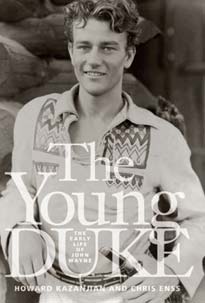
The Young Duke

The Young Duke Book Cover

By the time Stagecoach made John Wayne a silver-screen star in 1939, the thirty-one-year-old was already a veteran of more than sixty films, having twirled six-guns, tossed rope, busted broncos, and foiled cattle rustlers in B westerns for five different studios over the course of a dozen years. By the 1950s he was Hollywood’s most popular male actor–an Academy Award nominee destined to become an American icon.
Through previously unpublished photographs and revealing family anecdotes, The Young Duke tells how Marion Morrison became the legend known as John Wayne–from his boyhood in Winterset, Iowa, to his days as a college football star, to his stunning box-office success in Westerns and war movies in the 1930s and 1940s. Shedding new light on Wayne’s formative years and early Hollywood roles and influences, this biography reveals the true stories behind the screen legend’s public and private lives.

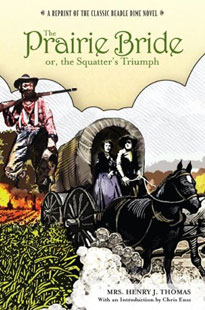
The Prairie Bride; or, the Squatter’s Triumph

The Prairie Bride; or, the Squatter's Triumph Book Cover

Tired of her controlling stepparents, headstrong heiress Annie Howard goes west and encounters a series of adventures–including a blazing prairie fire, a sinking riverboat, the kidnapping of her beloved servant, and, of course, romance.
When The Prairie Bride, a classic dime novel, was first published in 1869 by the extremely popular publishing house of Beadle & Adams, it was a best-seller. Western history fans will delight in the novel’s whimsical presentation of a claim fight over a homestead–perhaps even more charming now than it was in the nineteenth century.
It is with great pleasure that we bring this classic series of Beadle & Adams dime novels to a new generation. The themes of the American spirit and determination, of courage and bravery, and of friendship, love, and honor are timeless.

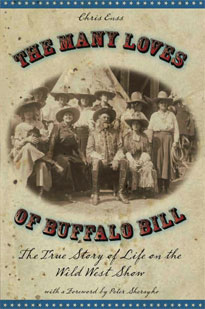
The Many Loves of Buffalo Bill

The Many Loves of Buffalo Bill Book Cover

“What we want to do is give our women even more liberty than they have. Let them do any kind of work that they see fit, and if they do it as well as men, give them the same pay.”
—William F. Cody, 1899

With rough-riding cowboys, sure shots, and fantastic reenactments of battles and train robberies, Buffalo Bill Cody brought the myth of the Old West to life for audiences all over the world—and some of the most popular cowboys in his Wild West Show were young ladies. Cody surrounded himself with strong, intelligent, talented, beautiful women—and this revealing portrait tells the stories of his life and of his relationships with many of the trick riders, sharpshooters, and other women associated with the show for which he was famous.

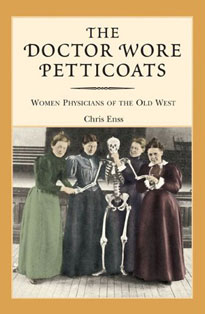
The Doctor Wore Petticoats

The Doctor Wore Petticoats Book Cover

“NO WOMEN NEED APPLY.”

These four discouraging words of admonition often greeted female physicians looking for jobs in the frontier-era West. Despite the dire need for medical help, it seemed most trappers, miners, and emigrants would rather suffer and die than be treated by a female doctor. Nevertheless dozens of highly trained women headed West, where they endured hardship and prejudice as they set broken limbs, performed operations, delivered generations of babies–and solidified a place for women in the medical field.
Susan La Flesche, the youngest daughter of an Omaha Indian Chief, felt called to medicine when at the age of twelve she saw a woman die because a government-paid doctor was too busy hunting prairie chickens to help. Destitute divorcee Bethenia Owens Adair traded in laundry work for a successful medical practice. Flora Hayward Stanford, the first female doctor in Deadwood, was known to patch up gunfight victims and to treat the likes of Buffalo Bill Cody and Calamity Jane. With a determination and strength of spirit that resonates even today, these incredible women and seven others profiled in The Doctor Wore Petticoats are sure to inspire.

Tales Behind the Tombstones

Tales Behind the Tombstones Book Cover

Tales Behind the Tombstones tells the stories behind the deaths (or supposed deaths) and burials of the Old West’s most nefarious outlaws, notorious women, and celebrated lawmen. Readers will learn the story behind Calamity Jane’s wish to be buried next to Wild Bill Hickok, discover how and where the Earp brothers came to be buried, and visit the sites of tombs long forgotten while legends have lived on.

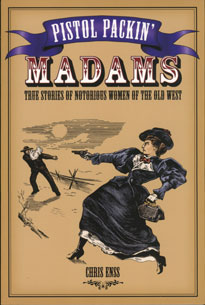
Pistol Packin’ Madams

Pistol Packin' Madams Book Cover

The picture of the early American West would not be complete without a fashionably dressed madam standing at the top of the saloon stairs surveying the activity below. More than just casual observers, these tough-talking and whip-smart women often had a pistol hidden in the folds of their skirts, ready to take on cowboys, ranchers, lawmen–any man who dared to cause trouble on the premises or to threaten their livelihood.
In a time when most women were dependent on husbands and fathers, madams–the women who owned, managed, and maintained brothels–took fate into their own hands, using feminine wiles and an abundance of sheer grit to make a living on the hard edge of the frontier West.
Pistol Packin’ Madams examines the stories of these resourceful, oft-maligned women, whose combined adventures offer a colorful portrait of the early days of the West.


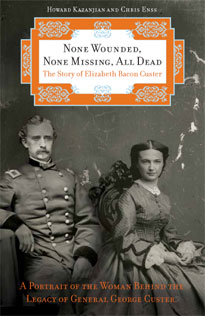
None Wounded, None Missing, All Dead

None Wounded, None Missing, All Dead Book Cover

On May 17, 1876, Elizabeth Bacon Custer kissed her husband George goodbye and wished him good fortune in his efforts to fulfill the Army’s orders to drive in the Indians who would not relocate to a reservation. The smartly dressed couple made for a splendid picture. This new biography of Elizabeth Bacon Custer tells the story of the dashing couple’s romance, reveals their life of adventure throughout the West during the days of the Indian Wars, and recounts the tragic end of the 7th Cavalry and the aftermath for the wives. Libbie Custer followed her itinerant army husband’s career to its end,but she was also an amazing master of propaganda who sought to recreate George Armstrong Custer’s image after Little Bighorn. Famous in her own time, she remains a fascinating character in American history.

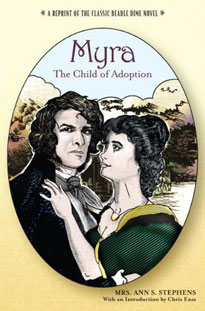
Myra, The Child of Adoption

Myra, The Child of Adoption Book Cover

Infant Myra is adopted by a wealthy couple and raised in a loving home, unaware of her true parentage and the deception that tore her biological family apart. But when Myra’s adoptive father is riled by her choice of suitor, he reveals the shocking secret of her birth, setting in motion Myra’s fight to regain her family honor and fortune.
Based on the life of Myra Clark Gaines, whose legal battle was one of the most sensational cases of the nineteenth century, this romantic tale is as suspenseful now as it was when it was first published in 1860.
It is with great pleasure that we bring this classic series of Beadle & Adams dime novels to a new generation. The themes of the American spirit and determination, of courage and bravery, and of friendship, love, and honor are timeless.

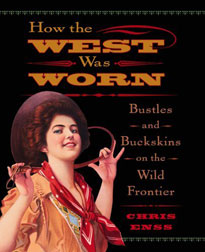
How the West Was Worn

How the West Was Worn Book Cover

Did you know that pioneer women sewed lead in their hems to keep their dresses from billowing on the trail? Or that hatless men had to wear bonnets to protect their eyes from the scorching sun?
From old familiar Levi’s to the short-lived “instant dress elevator,” How the West Was Worn examines the sometimes bizarre, often beautiful, and highly inventive clothing of the Old West. You’ll learn how a cowboy’s home state determined the way he wore his pants and hat, as well as how to distinguish one Indian tribe from another by their moccasins. Meet John B. Stetson, leading maker of cowboy hats; Adah Menken, whose flesh-colored nylon costume left an audience gaping at her underwear; and Amelia Jenks Bloomer, the promoter of – you guessed it – the bloomer.