Enter now to win a copy of
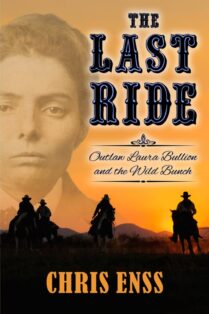
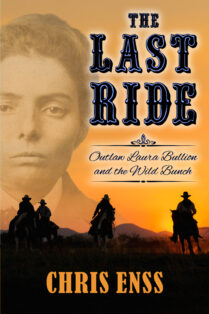
The Last Ride: Outlaw Laura Bullion and the Wild Bunch
What Was Laura Bullion’s Greatest Heist?
Most people would answer: A train.
They’d be wrong.
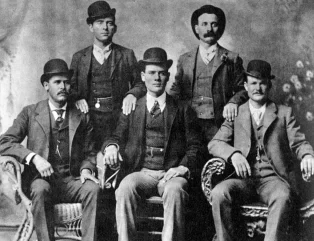
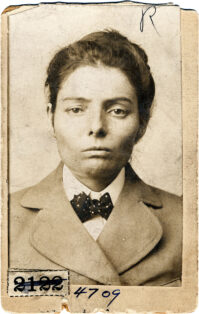
Laura Bullion rode with members of the Wild Bunch, helped carry out one of the gang’s train robberies, and became the only known woman to participate in such a crime alongside Butch Cassidy’s infamous outlaws.
But her greatest accomplishment came after the robberies ended.
She disappeared.
Not into another outlaw hideout, but into an ordinary life.
She adopted a new name, settled in Memphis, worked as a seamstress, paid her bills, made friends, and quietly left her past behind. For more than thirty years, she successfully concealed the fact that she had once been one of the most wanted women in the American West.
Most outlaws spent their lives trying to become legends.
Laura Bullion spent the rest of hers trying not to be one.
I'm looking forward to hearing from you! Please fill out this form and I will get in touch with you if you are the winner.
Join my email news list to enter the giveaway.
"*" indicates required fields
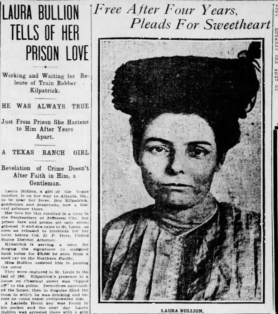
Laura Bullion successfully traded notoriety for anonymity, but her remarkable true story is finally revealed in The Last Ride: Outlaw Laura Bullion and the Wild Bunch.
I'm looking forward to hearing from you! Please fill out this form and I will get in touch with you if you are the winner.
Join my email news list to enter the giveaway.
"*" indicates required fields
Coming August 15!
The untold story of the Wild Bunch’s forgotten outlaw queen is almost here.
The Last Ride: Outlaw Laura Bullion and the Wild Bunch tells the remarkable true story of Laura Bullion, the only known woman to ride with members of Butch Cassidy and the Sundance Kid’s Wild Bunch. Drawing on rare prison letters, forgotten newspaper accounts, and years of original research, this gripping biography reveals the woman behind one of the American West’s most legendary outlaw gangs.
Early readers are already calling it a must-read:
“Chris Enss is the master of exceptional western research. In her latest work she uncovers the exciting life of Laura Bullion, who rode with Butch and Sundance and the Wild Bunch. Now you can be part of the incredible historic adventure. This is a ride you don’t want to miss!”
— Howard Kazanjian, Academy Award-nominated executive producer and author
“Few authors besides Chris Enss look beyond the most popular western historical figures… In The Last Ride, this award-winning author pulls back the curtain and offers a fascinating rare glimpse behind the Wild Bunch.”
— Reavis Wortham, New York Times bestselling author
“With her trademark combination of a novelist’s sensibilities and a detective’s eye for detail, Chris Enss offers a deep dive into the life of Laura Bullion… a fascinating and moving story.”
— Jon Chandler, award-winning musician, Western author, and Hole-in-the-Wall/Wild Bunch expert
Win an advance copy before publication!
Enter now for your chance to win an advance copy of The Last Ride: Outlaw Laura Bullion and the Wild Bunch before its August 15 release.
Discover the woman who rode alongside members of one of the West’s most notorious outlaw gangs and built an extraordinary life after the Wild Bunch faded into history.
I'm looking forward to hearing from you! Please fill out this form and I will get in touch with you if you are the winner.
Join my email news list to enter the giveaway.
"*" indicates required fields
Award-Winning News!
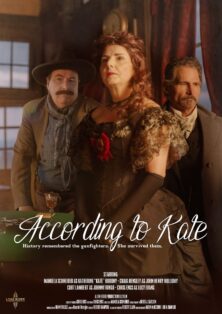
We are thrilled to announce that According to Kate, based on the book According to Kate: The Legendary Life of Big Nose Kate, Love of Doc Holliday, has received the Best Historical Film award from the Oniros Film Awards, and our talented director, Manuela Schneider, has been honored with the Best Director award!
The Oniros Film Awards is an international, monthly IMDb-qualifying film competition based in New York City and founded by the Italian production company Oniros Films. To be recognized by such a respected international festival is a tremendous honor for everyone involved with this production.
According to Kate tells the remarkable story of Western legend Big Nose Kate and brings her extraordinary life to the screen through the dedication and passion of an incredible cast and crew.
If you’re planning to attend Helldorado Days in Tombstone, we invite you to join us for the film’s premiere:
According to Kate
Tombstone Courthouse State Historic Park
Saturday, October 17, 2026
3:00–4:30 p.m.
Please join us in congratulating director Manuela Schneider and the entire cast and crew for this well-deserved recognition. We can’t wait to share this award-winning film with audiences in Tombstone this October!
July 1934: The Month That Changed Everything
On July 2, 1934, front-page headlines across the nation, including the Chicago Daily Tribune, carried dramatic accounts of the South Bend bank robbery and John Dillinger’s ruthless escape from pursuing officers. The brazen holdup intensified the nationwide manhunt already underway and placed even greater pressure on the newly empowered Justice Department Bureau of Investigation to capture the man they had declared America’s Public Enemy No. 1.
What followed over the next three weeks would become one of the most consequential months in American crime history.
July 1934 brought betrayals, secret meetings, desperate attempts to stay one step ahead of federal agents, and the final days of the country’s most hunted outlaw. Every decision Dillinger made narrowed his options until the evening of July 22, when Bureau of Investigation agents ended his criminal career outside Chicago’s Biograph Theater.
Yet Dillinger’s story cannot be told without the women who stood beside him.
Some fell in love with a charming man they believed could leave crime behind. Others knowingly assisted his flight from justice by renting apartments, concealing weapons, carrying messages, or providing safe places to hide. Several risked everything, including prison sentences, for harboring a fugitive. One woman stood only feet away as federal agents opened fire, watching the man she loved die on a Chicago sidewalk ninety-two years ago.
“The women history labeled ‘gangster molls’ were rarely one-dimensional accomplices. They were daughters, sisters, sweethearts, and survivors whose loyalty often carried a price far greater than the crimes for which they became remembered.”
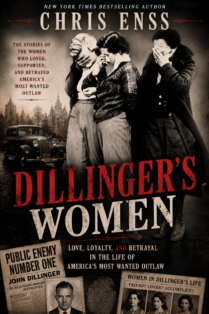
Dillinger’s Women: Love, Loyalty and Betrayal in the Life of America’s Most Wanted Outlaw tells the stories of the women whose lives became intertwined with America’s most notorious outlaw. Drawing from contemporary newspapers, court records, government files, and personal accounts, the book examines their choices, their sacrifices, and the roles they played in one of the most famous criminal manhunts in American history.
Scheduled for release in fall 2027, the book offers a closer look at the women whose love, loyalty, and, in some cases, betrayal became an enduring part of the John Dillinger story.
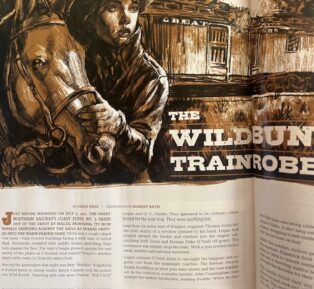
I’m delighted to share that my article on outlaw Laura Bullion has been published by the exceptional Distinctly Montana magazine. If you appreciate outstanding storytelling, breathtaking photography, and a genuine love for the American West, this is a publication you should have on your reading list. Every issue reflects a commitment to quality that is second to none.
I’m especially grateful to the team at Distinctly Montana for their longtime support of the Will Rogers Medallion Award program. They have been wonderful champions of Western literature and history, helping preserve and celebrate the stories that define the West.
You can read my article, “The Wild Bunch Train Robber,” here:
https://www.distinctlymontana.com/wild-bunch-train-robber
If Laura’s story leaves you wanting more, the complete, thoroughly researched true tale is coming this August in The Last Ride: Outlaw Laura Bullion and the Wild Bunch. Look for it in bookstores and gift shops everywhere, and discover the remarkable life of the only confirmed woman to participate in a Wild Bunch train robbery.
There are moments in a writer’s life that cause you to pause and appreciate the company you’re keeping.
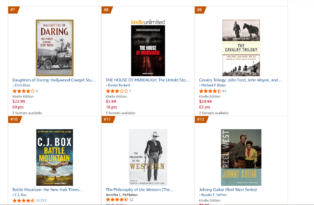
Daughters of Daring: Hollywood Cowgirl Stunt Women is currently appearing on the Amazon Kindle bestseller list alongside books by Michael F. Blake and C.J. Box, authors whose contributions to Western storytelling have earned them devoted readers across the country.
As someone who has spent a career uncovering the stories of remarkable women of the American West, it’s gratifying to see readers embracing the lives of the fearless cowgirl stunt women who helped shape early Hollywood. Their stories deserve a place in the spotlight, and every reader helps make that possible.
My sincere thanks to everyone who has purchased the book, shared it with friends, requested it at libraries, invited me to speak, or posted a review. Your support continues to introduce new audiences to these extraordinary women whose courage rivaled that of any Western hero.
The cowgirls of silent films and early Westerns risked everything for their craft. I’m honored to help tell their stories and thankful to see them reaching so many readers.
#DaughtersOfDaring #WesternHistory #WomenOfTheWest #CowgirlHistory #HollywoodHistory #WesternBooks