
1890 – At Auburn Prison, New York murderer William Kemmler becomes first person to be executed by electric chair.
Kings on the Lawn
Enter to win a copy of The Death Row All Stars: A Story of Baseball, Corruption and Murder along with a pair of tickets to see the Sacramento River Cats take on the Reno Aces on Saturday, August 30.
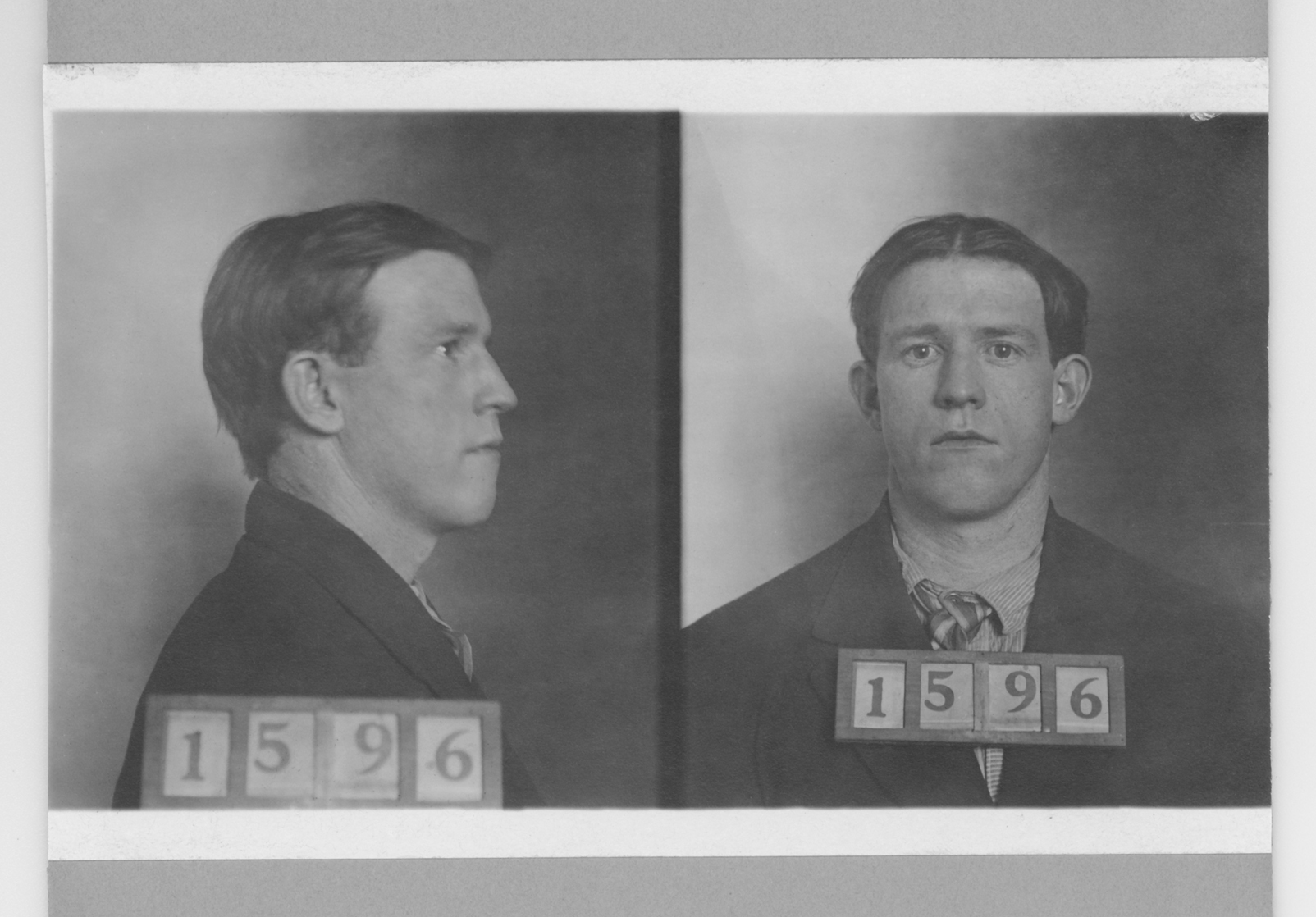
Death Row All Stars Pitcher, Thomas Cameron
No one knew better than the inmates at San Quentin in the early 1900s how serious prison officials took baseball games. Unaware that his application for a new trial had been denied by the supreme court a youthful bandit who had been sentenced to death in November 1913 for holding up a Southern Pacific train and killing a traveling agent, appeared on the prison diamond at noon on May 12, 1914 as a member of one of the prison baseball nine, and displayed great enthusiasm for the game. The news that the criminal’s application had been denied arrived early in the morning that day, but was purposely withheld from him in order that he might enjoy his last contest on the diamond. Nearly all the other prisoners knew that the fate of popular bandit had been sealed, but they left it for the prison officers to break the news to him after the game. The convict stepped onto the field confident he had escaped death.
To learn more about prisoners who played baseball read The Death Row All Stars: A Story of Baseball Corruption and Murder.
The national launch of The Death Row All Stars: A Story of Baseball Corruption and Murder will be held on Saturday, August 30 at 4:30 p.m. at Raley Field in Sacramento, California.
This Day…
Sent to Prison to Play Ball
New Book on Deck.
The Death Row All Stars: A Story of Baseball, Corruption and Murder
will be released on August 30, 2015.
The Death Row All Stars is the amazing true story of the men on Wyoming’s death row in the 1900s who believed they’d be granted reprieves as long as they kept winning baseball games.
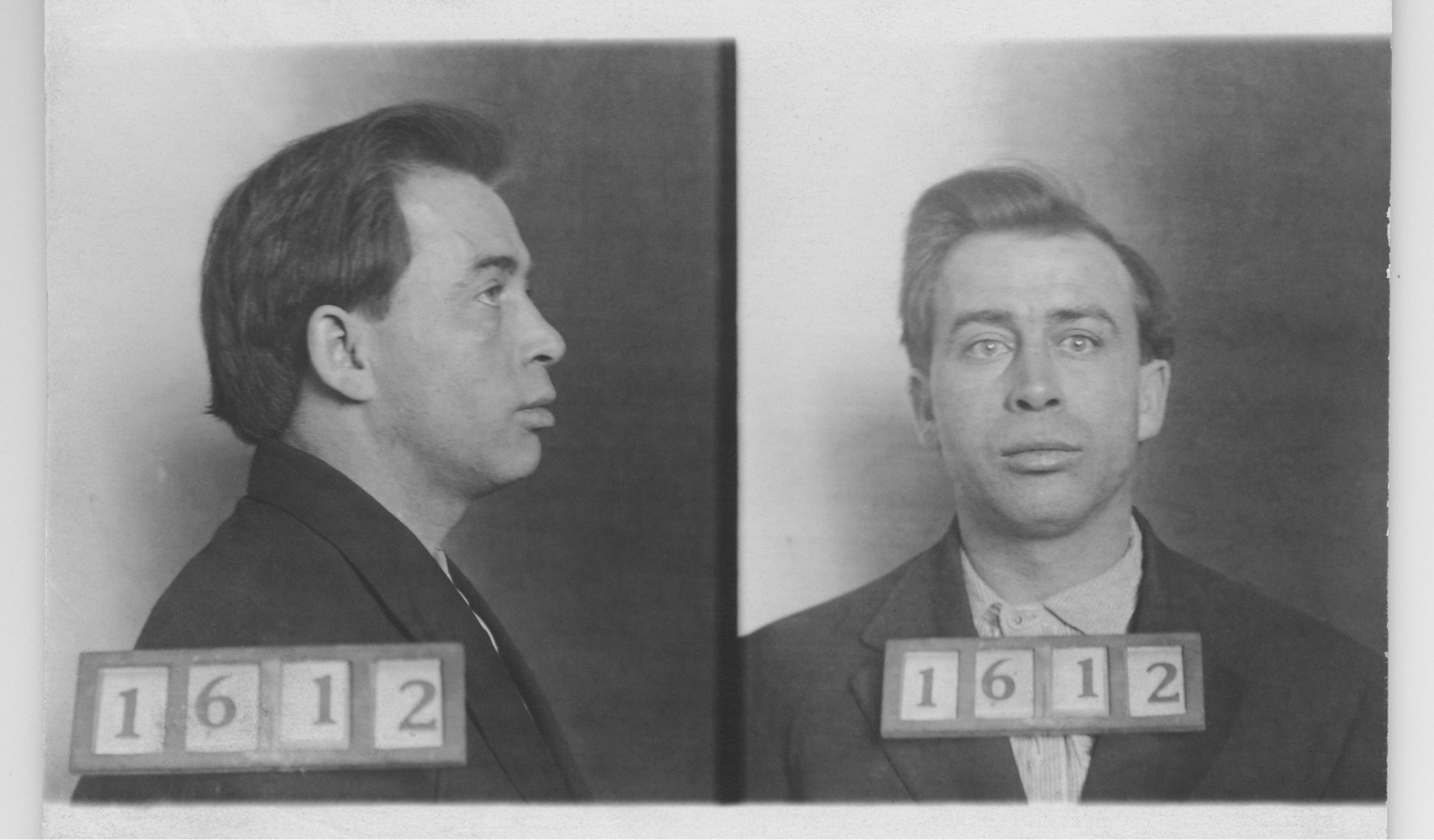
The Death Row All Stars Most Valuable Player, Joseph Seng
It’s not the first time athletically talented inmates have been used to play ball. Two players from a Sacramento club of the Pacific Coast Baseball league entered Folsum prison on this day in August 1930, not for crimes committed but because the prison baseball teams wanted an even break with a team of all-stars they were scheduled to play.
The prisoners-for-a-day were Fred Kienly and his battery mate catcher George Lial. Playing alongside them were seven hard-hitting, fast-stepping infielders and outfielders who were sent up for “this, that and the other,” not for errors committed on the diamond. The Folsum prison warden expected his “black sheep” to beat the all-stars whose team had been mangled when they lost their star pitcher after he was set free.
The national launch of The Death Row All Stars: A Story of Baseball Corruption and Murder will be held on Saturday, August 30 at 4:30 p.m. at Raley Field in Sacramento, California.
Enter to win a copy of the book along with a pair of tickets to see the Sacramento River Cats take on the Reno Aces.
This Day…
1877 – The lumberyard near the docks of the Pacific Mail Steamship Company in San Francisco is set ablaze, and firemen come under attack by rioters. Several men are killed and many injured. The steamship company and the Central Pacific Railroad are chiefly blamed for the large influx of Chinese into the city. The state militia is mobilized as federal gunboats stand by.
All Bets Are Off
Last chance to enter to win a copy of
The Lady Was a Gambler: True Stories of Notorious Women of the Old West
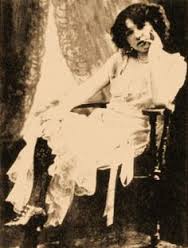
Cardsharps were looked down upon by polite, upstanding citizens, as was gambling as a whole. The women who ran gambling parlors were accused of being many things, including thieves, home wreckers, and prostitutes. Along with roulette, craps, and poker, their activities were noted as the chief reason for the downfall of morality. By 1860 the games of faro and roulette were banned in California. Gamblers, both male and female, were being forced out of the “profession.”
At one time or another all the women included in the book The Lady Was a Gambler were living on the fringes of the law. Civic groups opposing gambling on moral grounds fought to make it illegal. Those high rollers in ball gowns who refused to comply with the law found creative ways to keep the bets alive. Madame Vestal conducted business from inside an oversized wagon that could be moved whenever the authorities came near. Belle Cora disguised her illegal activities to look like simple neighborhood parties. Alive Ivers, better known as Poker Alice, took up the profession in 1865 and continued in the business for more than sixty years. Government mandates against gambling did not stop the notorious faro dealer from playing the game. She died broke at the age of seventy-nine. “I gambled away fortunes,” she once told a friend, “but I had a ball doing it.”
To learn more about these notorious women gamblers read
The Lady Was a Gambler: True Stories of Notorious Women of the Old West
This Day…
One Bet a Day
The odds are in your favor. Enter to win a copy of
The Lady Was a Gambler: True Stories of Notorious Women of the Old West
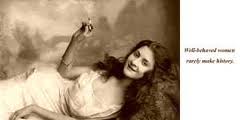
Throughout the history of the early gaming days of the Old West, women proved they were just as capable as men at dealing cards and throwing dice, and the brought both pleasure and heartache to the miners of the gold and silver camps. Lady gamblers such as Eleanora Dumont saw themselves simply as business women with a talent to offer the public. Players flocked to Madame Dumont’s entertainments, their money drawn from their pockets, ready to indulge in their all-absorbing passion for games of chance. Gertrudis Maria Barcelo owned her own gambling house in Santa Fe, New Mexico, where she catered to the rich and sophisticated in her pristine establishment. Cardsharps such as Kittle LeRoy flitted from Texas, California, and South Dakota, dealing hands at rowdy saloons from El Paso to Deadwood. The gambling den Kitty eventually owned was well known for the violence of her patrons, one of whom shot and killed her.
The lives and careers of a number of lady gamblers were cut short either at the mercy of a cowboy who resented losing to a woman or by their own hand. Legendary Belle Starr was gunned down by an unknown assailant some historians speculate was a riverboat gambler she humiliated at the poker table. Colorado cardsharp Minnie Smith found life dealing blackjack to be unbearably lonely and killed herself at the age of forty-five.
To learn more about these notorious women gamblers read
The Lady Was a Gambler: True Stories of Notorious Women of the Old West
Nothing for Something
Yours for the Asking! Enter to win a copy of
The Lady Was a Gambler: True Stories of Notorious Women of the Old West
“Four cowboys were at an old saloon in Tombstone playing poker. A lot of money was at stake as the cards were dealt, and each was keeping a sharp eye on the other. As one of the players called the hand and laid out his cards, another one stood up in amazement. ‘Hey, George is cheatin’. He ain’t playin’ the cards I dealt him.’ ”
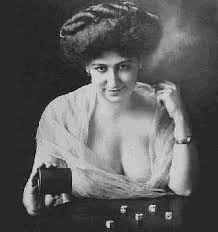
An attractive, statuesque woman with golden blonde curls piled high on top of her head sat behind a large table in the back of the Pacific Club Gambling Parlor in San Francisco, California. She shuffled a deck of cards with great ease and gently dealt a hand to the four players surrounding her. A Saturday evening rainstorm had driven placer miners and unemployed farmhands to the saloon to try their luck at a game of poker. The dealer was a skilled gambler who had learned her trade on a Mississippi riverboat. She was an expert at luring proud men into a card game and then helping them part with the chunks of gold they’d earned.
The life of a professional gambler was unsettling and speculative. Most gamblers rode the circuit with the seasons. In the summer the big play was in the northern mining camps, and during the winter the southern towns provided the richest activity. Women gamblers were a rarity, and the most successful lady gamblers possessed stunning good looks, which helped disarm aggressive opponents and gave them something pretty to look at as they lost their money.
To learn more about intrepid women gamblers read
The Lady Was a Gambler: True Stories of Notorious Women of the Old West