The Sharpshooter and the Showman


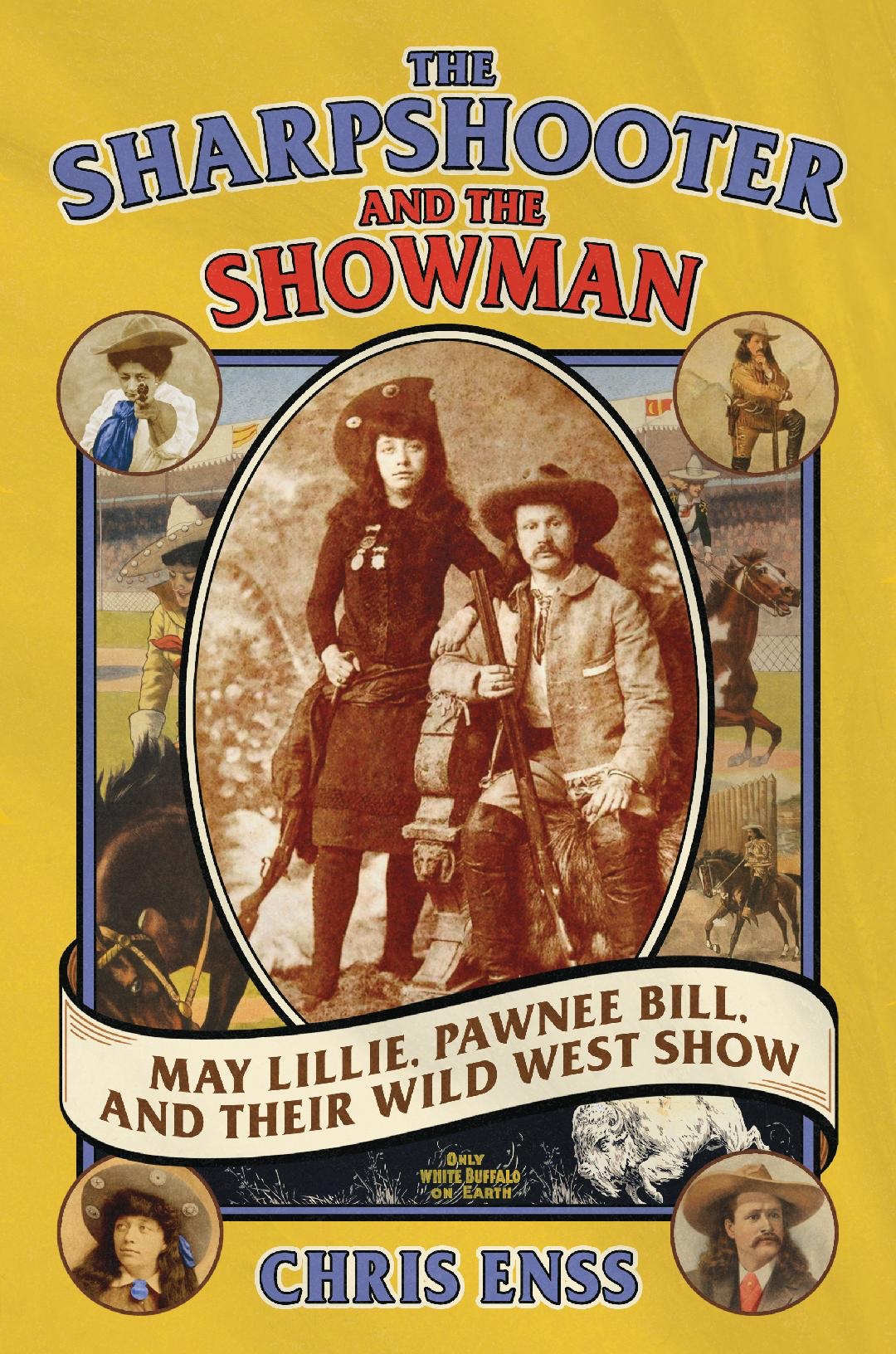
The Sharpshooter and the Showman Cover

The era of Wild West Shows revealed America at its most enterprising. Join Pawnee Bill and May Manning Lillie as they embark on a wild, sometimes tragic, but often joyful ride together. Theirs was a love story that rose to every challenge and seized every opportunity that came their way. They made headlines in newspapers, won fans among European royalty, and captured the heart of Americans from New England to California. This is their remarkable—and true—story.

Duck Fat and Happiness


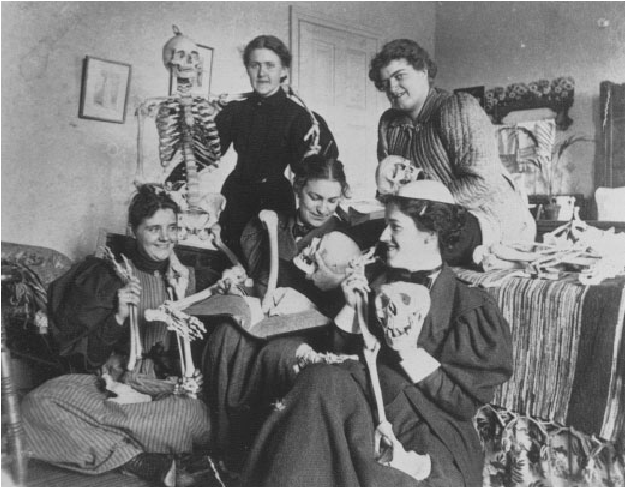
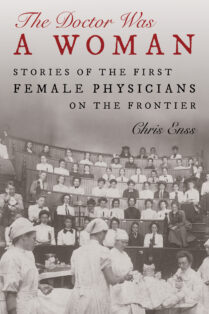
I’m traveling tomorrow to the Blackhawk Museum to give a presentation about women of the West and specifically about pioneer women physicians. I’m excited to share what I learned researching and writing the book The Doctor Was A Woman. I couldn’t help but notice a theme that ran through the majority of the stories I found. As far back as 1890 in the Gold Country, women patients were seeking doctors’ recommendations on how to stop the aging process. Women of a certain age were hoping to find a crème or a lotion to remove the dark circles under their eyes and reduce wrinkles on their face and neck.

The invention of the “bust improver” in 1887, with pads of assorted sizes that could be inserted into a slit in the fabric, solved any enhancement issues. The corset helped women who wanted a waist-measurement that did not exceed the number of years of her age was a problem solver as well. How to get rid of dark circles and wrinkles was still a mystery.

Some doctors suggested women slather their face with donkey milk or duck fat to eliminate crow’s feet and turkey’s neck. Women complained the prescription did nothing to eradicate the wrinkles. It did, however, attract cats. A trade off most ladies disliked immensely.

Advertisements for Pears Soap featuring the beautiful actress Lilly Langtry, promised women who used the product a “nice youthful complexion, young looking hands, a reduction in wrinkles, and happiness galore.” In the print ads, Lilly boasted about the wonderful results she had washing with Pears Soap daily and encouraged women with stubborn wrinkles to wash their face two and three times a day. Langtry was a successful, wealthy, twenty-eight-year-old and many women were annoyed that someone who obviously didn’t struggle with wrinkles at her age would be giving advice on how to halt the process or gain happiness.

I feel the same way every time I see a commercial about wrinkle cream starring a teenager. Or hear a twenty something model lecture me about avoiding meat and eating only lawn clippings and Greek yogurt. What makes advertisers think the opinion of these supermodels has more weight or importance simply because they happened to hit the pick six in the genetic lottery?

It seems our entire existence is spent yearning for what we don’t have, and we’re convinced that whatever it is we’re missing is the one thing keeping us from perfect bliss. Which the makeup manufacturers would have you believe resembles a Revlon commercial where everyone is in a thong bikini cavorting on the beach while applying rejuvenating cream on their nonexistent drying pores. I don’t think it’s possible to have baby dolphin smooth skin unless you’re a dolphin. And I personally look like a sumo wrestler in a thong.

And as for happiness… What makes people happy anyway? I’ve concluded that most people are only really happy not when something good happens to them, but when something bad doesn’t happen to them.

Happiness is not settling for less, but just not being miserable with what is. I have always lived by the creed that it’s not the approval or accolades or possessions that make you smile, but simply making the left turn even though you were the third car in the intersection.

Now, where’s that duck fat?

 

The Suffragents

Enter now to win a copy of

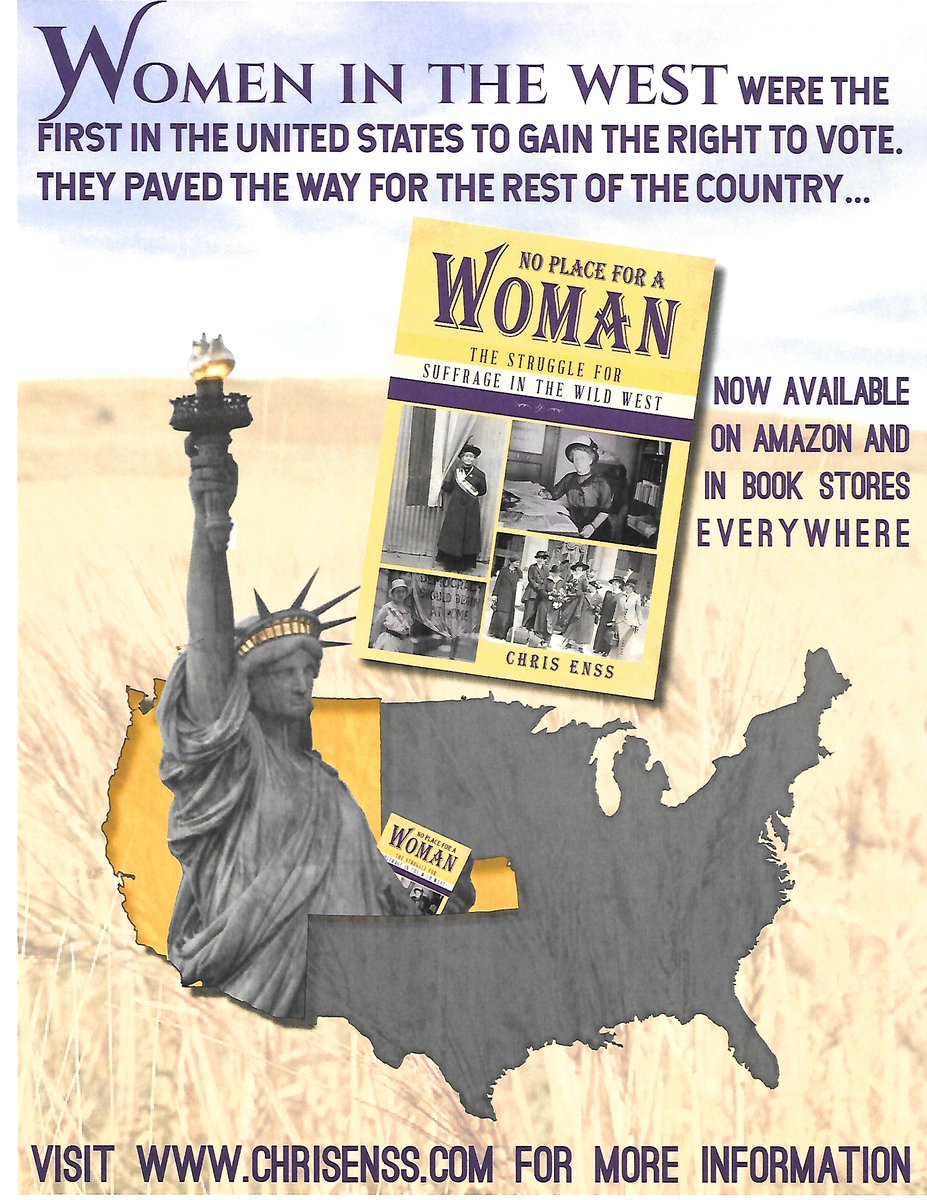
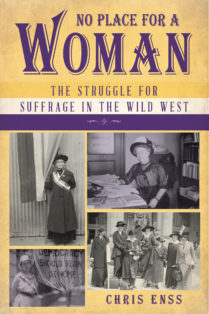
No Place for a Woman: The Struggle for Suffrage in the Wild West


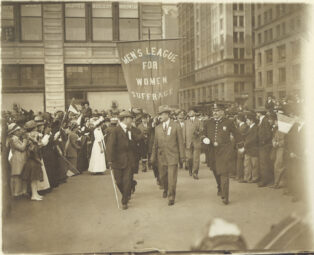
In 1911, actress, playwright, and suffragette Vida Sutton coined the term “suffragent.” A suffragent referred to a man who was big enough to see that women should be given the right to vote. “This type of man is one of the most powerful allies of the cause of women,” Vida explained to a reporter for the New York Times. “He not only does no hinder but does all that he can to help.”

From the time the woman suffrage movement was first launched in 1846, there were many prominent suffragents who played significant roles in helping women secure the right to vote.

At the urging of Elizabeth Cady Stanton, California Senator Aaron Augustus Sargent introduced the first federal woman suffrage amendment in 1878. The amendment was reintroduced in every succeeding Congress until adopted in 1920. “I believe the time is rapidly coming when all men will conclude that it is no longer wise or judicious to exclude one half of the intelligence and more than one half of the virtue of the people from the ballot box,” Sargent remarked in April 1878.

San Francisco mayor Adolph Sutro echoed those sentiments in March 1896. “I believe equality is the basic principle of our government – hence women should assume all the responsibilities that arise out of her moral and mental endowments as a citizen,” Sutro told the San Francisco Chronicle. “Woman’s advent as a voter will be the means through which the government may be perpetuated, as embodying justice, equality, and righteousness.”

Frederick Douglass, American abolitionist, orator and lecturer, was present at the Seneca Falls Women’s Rights Convention of 1848 and advocated for women’s rights along with abolition and the rights of African Americans. At a meeting of the National Council of Women in 1895, he reminded an enthusiastic crowd of what he had written about the issue in 1848. “A discussion of the rights of animals would be regarded with far more complacency by many of what are called the wise and the good of our land than would be a discussion of the rights of women… We hold women to be justly entitled to all we claim for man.”


No Place for a Woman 3

I'm looking forward to hearing from you! Please fill out this form and I will get in touch with you if you are the winner.

Join my email news list to enter the giveaway.

"*" indicates required fields

Your Name
Please add me to your email news list*

To learn more about the suffragents read

No Place for a Woman: The Struggle for Suffrage in the Wild West


Heroines of History

I’m slow on the uptake sometimes. I’m generally so focus on my job writing and telling others about the amazing work women of the American frontier did to settle the wild west, I miss when people are insulting me. Since January, I’ve participated in two speaking events with women who genuinely believe females are just a bit better off now than they we were before the 19th Amendment was ratified in August 1920.

Prior to being introduced as the keynote speaker at one event, the host announced how she’d hoped the gathering would have been a celebration of the election of the first woman president of the United States. The audience groaned with sadness they weren’t celebrating that fact. The host then remarked how ashamed all women who did not vote for Kamala Harris should be. “We need a woman in office,” she insisted, “and women need to vote for the female candidate that is running.”

I am sure the gathering heard my eyes rolling. It was a ridiculous statement and one that took me by surprise. The notion that I’m supposed to vote for someone solely on the basis that they were a woman and ignore whether or not she was a worthy candidate is outrageous. I’d be happy to vote for a woman, but she has to be qualified. Could a woman act cooly and decisively in the event of a national crisis? It depends on the woman. Tulsi Gabbard, yes. Meryl Streep, no. And I like Meryl Streep.

Questions from the audience after my talk centered around what I thought about women in the America struggling to get ahead like they did between 1860 and 1900. I couldn’t produce a single example of women in 2025 NOT having the opportunity to pursue whatever they please in this country. In the early West, women’s choices were limited. They could be a teacher, laundress, or prostitute. How those upper middleclass women could think for a minute that they lacked opportunity today was staggering to me. Of course, none of them could provide any concrete examples to support their argument.

The most recent book panel I participated was just as silly. This time the moderator of the talk wanted to know from the authors on the panel about women who dared to speak. The implication was that in America in 2025, women are still shrinking violets with no voice and no one to hear them when they do speak out. Again, if we were in Afghanistan, I’d agree. But not here and not now. It’s difficult to have a discussion with women who honestly believe they have been objectified by men and then watch at least one of those women walk back to their booth at the book festival I was attending called “Hotties of History.”

I have come to this conclusion. It takes zero politically correct so-called victims to screw in a light bulb, because they are perpetually in the dark.

The women I write about in No Place for a Woman: The Struggle for Suffrage in the Wild West rose above their circumstances to fight for seventy years to gain the right to vote. Those women are the true heroines and worth admiring.

Enter to win a copy of No Place for a Woman.

No Place for a Woman 3

I'm looking forward to hearing from you! Please fill out this form and I will get in touch with you if you are the winner.

Join my email news list to enter the giveaway.

"*" indicates required fields

Your Name
Please add me to your email news list*