
1861 – The “Organized Incorporated Territory of Nevada” is created, lasting until October 31st, 1864
A Sweetheart of a Giveaway
Enter now to win a copy of
Object Matrimony:
The Risky Business of Mail-Order Matchmaking on the Western Frontier
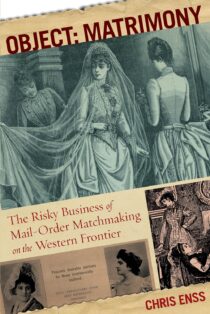
When gold was discovered in the far West during the nineteenth century, a billowing mass of humanity swept toward the setting sun with the swiftness of a tidal wave. Prospectors, businessmen, and explorers came seeking a better way of life and with the hope of amassing a fortune. No matter what riches were to be had or the endless territories yet to be conquered, unattached settlers who made the journey longed for a companion to share the new land.
The need for marriageable women in the West immediately following the Gold Rush was great. At the close of the Civil War, the lack of men in the East was just as pronounced. Capitalizing on that need on both sides of the country were mail-order bride publications.
The lonely-hearts ads placed in mail-order publications and tales of various love affairs found in the book Object Matrimony: The Risky Business of Mail-Order Matchmaking on the Western Frontier reveal how those desperate souls looked for that special someone.
More than 170 years after the first mail-order bride, the same method of choosing a life partner is still being used by some. Object Matrimony contains stories of the origin of the practice and the romantic unions that came about as a result, as well as the disappointments and desertions.
Object Matrimony: The Risky Business of Mail-Order Matchmaking on the Western Frontier by New York Times bestselling author Chris Enss is now available in bookstores everywhere, on amazon.com, barnesandnoble.com, and at nbnbooks.com.
Enter now to win a copy of the book along with a $100 gift certificate from
David’s Bridals
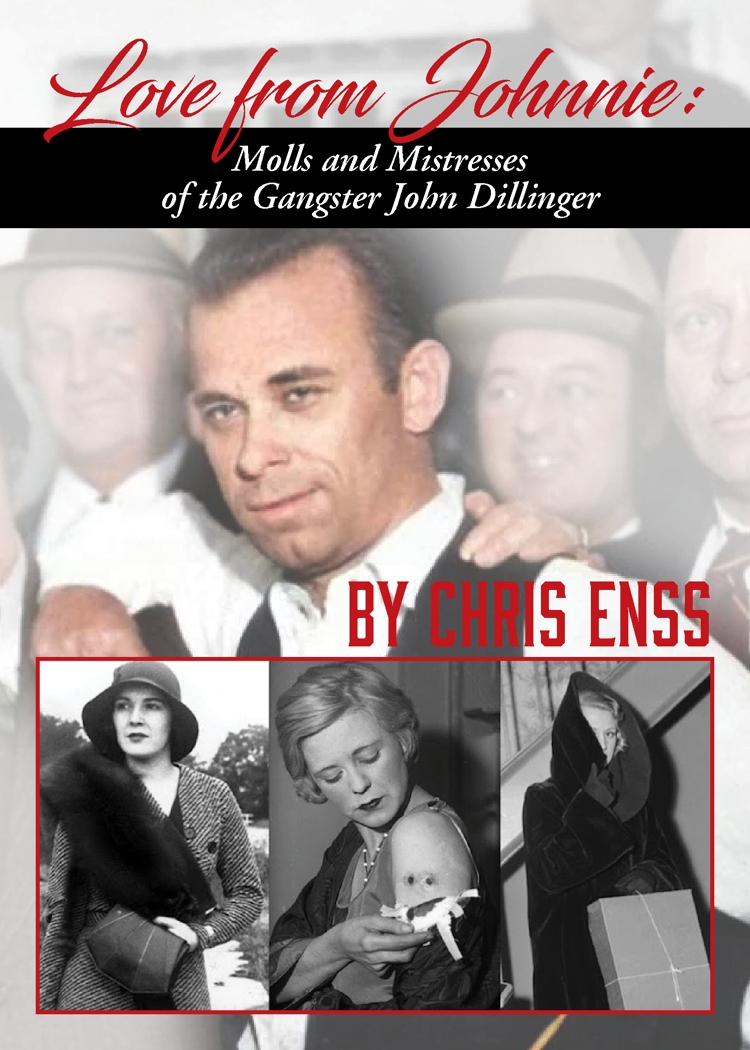
Love from Johnnie
This Day…
1879 – Custer Battlefield National Monument established in Montana
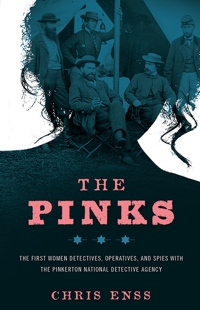
A Word from the President of the Pinkerton National Detective Agency
Enter now to win a copy of
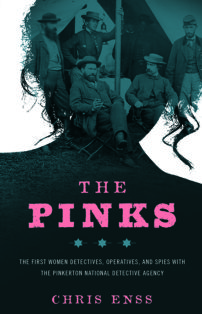
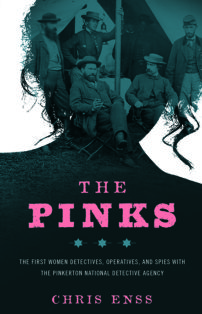
The Pinks:
The First Women Detectives, Operatives, and Spies with the
Pinkerton National Detective Agency
“When Allan Pinkerton founded the Pinkerton Detective Agency in 1850, he not only became the world’s first “private eye,” he also established an organization that would set the global standard for investigative and security excellence for generations to come.
But the agency had only just begun the process of setting that standard when Kate Warne walked into Allan Pinkerton’s office six years later and asked for a job. Her request was well timed. Pinkerton was keenly focused on new opportunities and was consciously looking to make bold choices that reinforced his vision of Pinkerton as an innovator and a disruptor.
Warne’s confidence and persuasive skills were impressive, and Pinkerton’s flexibility and willingness to “defy convention” perhaps equally so. It is to his credit, and to the enduring credit of the Pinkerton Detective Agency, that it took Pinkerton less than twenty-four hours to inform Warne that he would hire her—a decision that made her the nation’s first female detective. It was a remarkable turn of events at a time when only 15 percent of women held jobs outside of the home, and contemporary ideas about what constituted “women’s work” severely limited employment opportunities for women.
Kate Warne, and the accomplished women who played such an important role in building the Pinkerton Detective Agency into an iconic global security and law enforcement institution, made it abundantly clear that the prevailing definition of “women’s work” was not just inadequate, but wholly obsolete.
Kate’s story, and the stories of all these remarkable female operatives—presented so beautifully and in such rich detail here in this fascinating and important book—are not just a moving reminder of the achievements of a handful of bold pioneers, they are also a remarkable testament to the exemplary tradition of innovation that has distinguished the Pinkerton name over the course of more than a century and a half of dedicated service.
As you read The Pinks and enjoy these fascinating profiles of gifted Pinkerton operatives, you will readily see how their work and their character exemplified the agency’s values of Integrity, Vigilance, and Excellence. Ultimately, those attributes are at the heart of these tales, and at the heart of the larger Pinkerton story. It’s a history that spans three centuries, with compelling new chapters still being written each and every day.”
Jack Zahran, President of the Pinkerton National Detective Agency
The Pinks 5
I'm looking forward to hearing from you! Please fill out this form and I will get in touch with you if you are the winner.
Join my email news list to enter the giveaway.
"*" indicates required fields
To learn more about Kate Warne read The Pinks
MidWest Book Review of Meet the Kelly
The January 2025 issue of the review magazine
“Library Bookwatch” features a review of “Meet the Kellys”.
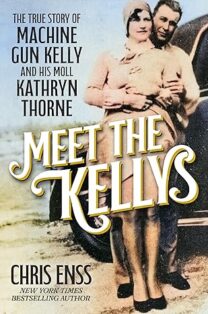
Synopsis: How did a small-time, hip-pocket bootlegger become one of the most notorious gangsters in the country? For George “Machine Gun” Kelly, the answer was simple: a woman.
Her name was Kathryn Thorne, a charming, strong-minded beauty who had family connections in the crime world — and big ambitions for the tall, handsome bootlegger. By the time she met Kelly, she was already an experienced criminal herself, divorced twice, and ready to marry a man who could give her the posh life she always dreamed of. With that in mind, she bought Kelly his first machine gun. And the rest is Prohibition era history…
George Kelly wasn’t a natural-born gangster and never carried a weapon bigger than a revolver. But Kathryn changed all that. Like a mobbed-up Lady Macbeth, she pushed her husband to commit greater crimes, introducing him to her friends in the underworld and convincing him to join in a series of bank robberies. Soon, the Kellys were living large, with a house in Texas, expensive jewelry, the works. But it wasn’t enough, and eventually the couple hatched a daring plot to kidnap oil tycoon Charles Urschel. Their plan worked. They collected the ransom — in doing so captured the attention of the nation, the world… and the FBI.
A shocking story of ambition and greed, crime and punishment, with the publication of “Meet the Kellys: The True Story of Machine Gun Kelly and His Moll Kathryn Thorne” by Chris Enss offers a fascinating portrait of a reluctant gangster named after a machine gun and a scheming moll as driven as Bonnie Parker and Ma Barker.
Critique: A meticulously documented history and biography that reads like an action/adventure novel from start to finish, “Meet the Kellys: The True Story of Machine Gun Kelly and His Moll Kathryn Thorne” will be of particular appeal to readers with an interest in the outlaws that made headlines during the ‘Roaring Twenties’ era of the Great Depression, Prohibition Bootlegging, Notorious Bank Robbers and Kidnappers. An inherently fascinating and riveting read from start to finish, “Meet the Kellys” by Chris Enss is especially and unreservedly recommended for community and college/university library True Crime and 20th Century American History/Biography collections. It should be noted for personal reading lists that this hardcover edition of “Meet the Kellys” from Citadel Press is also readily available in a digital book format (Kindle, $14.54).
This Day…
Operative Ellen
Enter now for a chance to win a copy of
The Pinks:
The First Women Detectives, Operatives, and Spies with the Pinkerton National Detective Agency
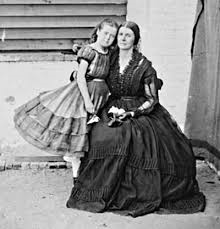
Several months before the start of the Civil War, Kate Warne was masquerading as a Southern sympathizer and keeping company with women of refinement and wealth from the South. When war did break out, those women were unafraid to express how much in favor they were of the Rebels. Some of them were secretly supplying the Confederate forces with information they had acquired using their feminine wiles. Kate was tasked with staying close to opponents of the government who were seeking to overthrow it and secure proof that secrets were being traded.
For weeks Kate had been monitoring the movements of Mrs. Rose Greenhow, a Southern woman believed to be engaged in corresponding with Rebel authorities and furnishing them with valuable intelligence. By late August 1861, Allan Pinkerton and a handful of his most trusted operatives, including Kate, had compiled enough evidence against Rose that a warrant for her arrest was granted. She was outraged when Pinkerton detective agents invaded her home and began gathering boxes of secret reports, letters, and official, classified documents. She called the agents “uncouth ruffians” and objected to her home being searched.
Pinkerton and his team left none of Rose’s possessions intact in their quest to extract all suspicious paperwork. The headboards and footboards of all the beds were taken apart, mirrors were separated from their backings, pictures removed from frames, and cabinets and linen closets were inspected. Coded letters were found in shoes and dress pockets. Among the items found in the kitchen stove were orders from the War Department giving the organizational plan to increase the size of the regular army, a diary containing notes about military operations, and numerous incriminating letters from Union officers willing to trade their allegiance to their country for a romantic interlude with Mrs. Greenhow.
According to Rose’s account of the inspection of her house and the seizure of many, sensitive letters, the “intrusion was insulting.” One of the investigators at the scene complimented her on the “scope and quality” of the material found. It was “the most extensive private correspondence that has ever fallen under my examination,” the operative confessed. “There is not a distinguished name in America that is not found here. There is nothing that can come under the charge of treason, but enough to make the government dread and hold Mrs. Greenhow as a most dangerous adversary.”
Pinkerton had hoped to keep the arrest quiet, but Rose’s eight-year-old daughter made that impossible. After witnessing the operatives foraging through her room and the room of her deceased sister, she raced out the back door of the house shouting, “Mama’s been arrested! Mama’s been arrested!” Agents chased after the little girl. Having climbed a tree nothing could be done until she decided to come down.
A female detective Rose referred to in her memoirs as “Ellen” searched the suspected spy for vital papers hidden in her dress folds, gloves, shoes, or hair. Nothing was found. Historians suspect the operative Rose referred to as Ellen was Kate Warne. Kate divided her time between guarding the prisoner and questioning leads that could help the detective agency track and apprehend all members of the Greenhow spy ring. Rose realized quickly that Kate was not someone to be trifled with, and she kept her distance.
The Pinks 5
I'm looking forward to hearing from you! Please fill out this form and I will get in touch with you if you are the winner.
Join my email news list to enter the giveaway.
"*" indicates required fields
To learn more about Operative Ellen, the cases she worked,
and the other women Pinkerton agents read
The Pinks:
The First Women Detectives, Operatives, and Spies with the Pinkerton National Detective Agency
This Day…
Saving Lincoln
Enter now to win a copy of
The Pinks: The First Woman Detectives, Operatives and Spies with the
Pinkerton National Detective Agency
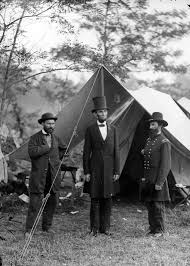
President-elect Abraham Lincoln showed no sign of being nervous or apprehensive about the late-night ride Pinkerton operatives arranged for him to take on February 23, 1861. Kate Warne noted in her records of the events surrounding Mr. Lincoln leaving Pennsylvania that he was cooperative and congenial.
When the politician arrived at the depot in Baltimore with his colleagues and confidants, Ward Hill Lamon and Allan Pinkerton, he was focused and quiet. He was stooped over and leaning on Pinkerton’s arm. The posture helped disguise his height, and when Kate greeted him with a slight hug and called him “brother,” no one outside the small group thought anything of the exchange. For all anyone knew, Kate and Mr. Lincoln were siblings embarking on a trip together. Neither the porter nor the train’s brakeman noticed Mr. Lincoln as the president-elect. Kate made it clear to the limited, railroad staff on board that her brother was not well and in need of solitude.
It took a mere two minutes from the time the distinguished orator reached the depot until he and his companions were comfortably on board the special train. The conductor was instructed to leave the station only after he was handed a package Pinkerton had told him to expect. The conductor was informed the package contained important government documents that needed to be kept secret and delivered to Washington with “great haste.” In truth the documents were a bundle of newspapers wrapped and sealed.
The bell on the engine clanged, and the train lurched forward. The gas lamps in the sleeping berths in Mr. Lincoln’s car were not lit, and the shades were pulled. Kate and Pinkerton agreed it would be best to prevent curious passengers waiting at various stops from seeing in and possibly recognizing the president-elect. No one spoke as the train slowly pulled away from the station. All hoped the journey would be uneventful and were hesitant to make a sound for fear any conversation might jeopardize what had been done to get Mr. Lincoln to this point. It was Mr. Lincoln who broke the silence with an amusing story he had shared with Pennsylvania governor Andrew Curtain the previous evening.
“I used to know an old farmer out in Illinois,” Mr. Lincoln told the three around him. “He took it into his head to venture into raising hogs. So he sent out to Europe and imported the finest breed of hogs that he could buy. The prize hog was put in a pen and the farmer’s two mischievous boys, James and John, were told to be sure not to let it out. But James let the brute out the very next day. The hog went straight for the boys and drove John up a tree. Then it went for the seat of James’ trousers and the only way the boy could save himself was by holding onto the porker’s tail. The hog would not give up his hunt or the boy his hold. After they had made a good many circles around the tree, the boy’s courage began to give out, and he shouted to his brother: ‘I say, John, come down quick and help me let go of this hog.’
Mr. Lincoln’s traveling companions smiled politely and stifled a chuckle. Had the circumstances been different, perhaps they would have laughed aloud. Undaunted by the trio’s subdued response, the president-elect continued to regale them with amusing tales of the people he’d met and experiences they shared. The train gained speed and soon Philadelphia was disappearing behind them.
The Pinks 5
I'm looking forward to hearing from you! Please fill out this form and I will get in touch with you if you are the winner.
Join my email news list to enter the giveaway.
"*" indicates required fields
To learn more about Kate’s heroic work read The Pinks