
1838– Coronation of Queen Victoria aged 19 during a five-hour ceremony at Westminster Abbey, London [1]
The Widowes Ones Available at The Little Bighorn
After such a long time trying to get The Widowed Ones on the shelf at
the Little Bighorn Museum,
I learned yesterday that the book is indeed for sale at the famous location.
Next year at this time, I’ll be in Montana signing copies of book.
Thank you Friends of the Little Bighorn Battlefield.
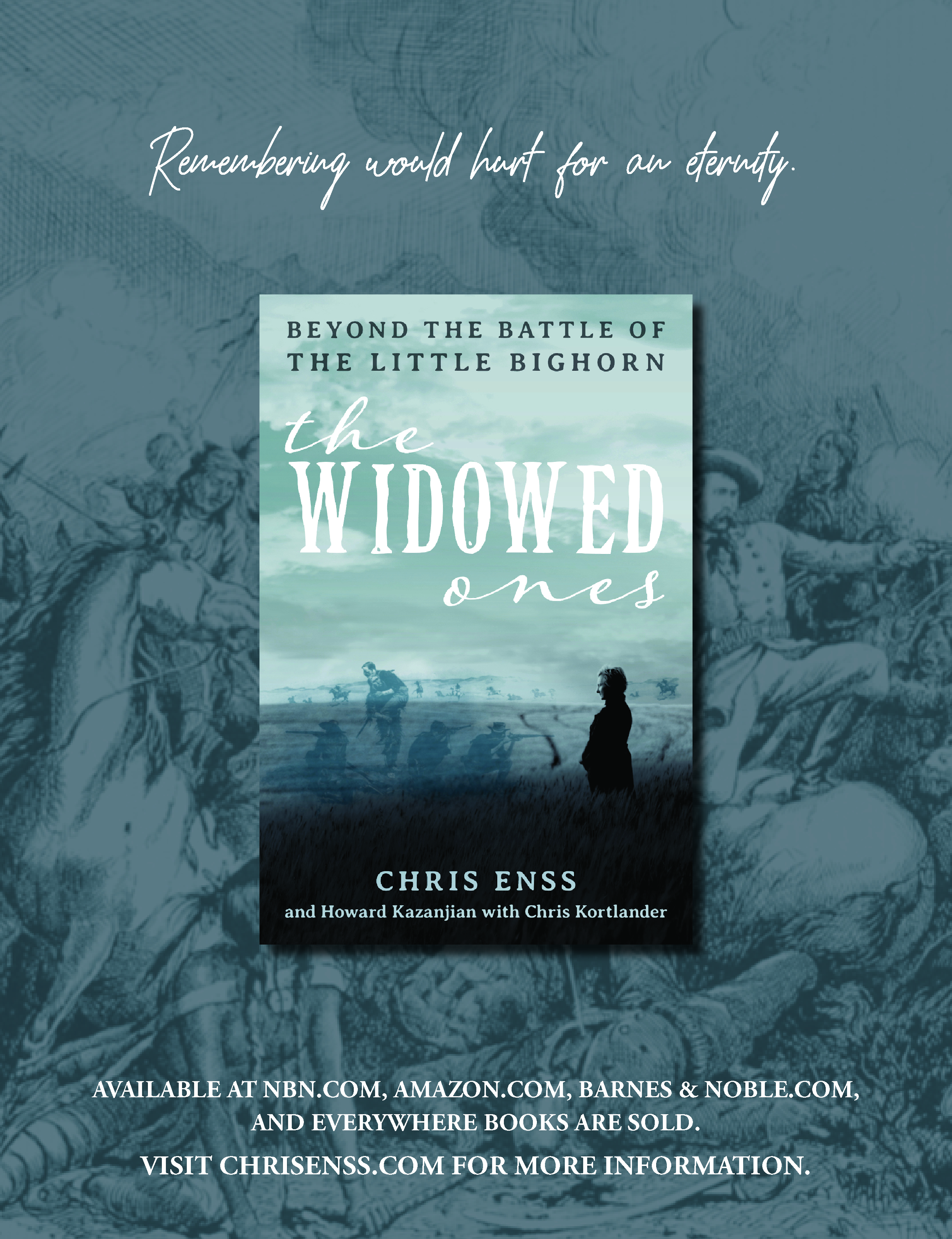
Enter now to win a copy of The Widowed Ones: Beyond the Battle of the Little Bighorn
The Widowed Ones 3
I'm looking forward to hearing from you! Please fill out this form and I will get in touch with you if you are the winner.
Join my email news list to enter the giveaway.
"*" indicates required fields
This Day…
1955 – LPGA Western Open Women’s Golf, Maple Bluff CC: Patty Berg wins her 5th WO title by 2 strokes from Louise Suggs and Fay Croker; first WO played at stroke play
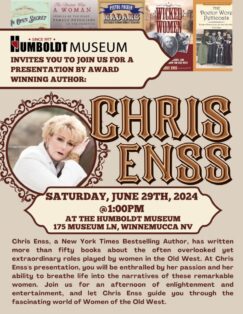
Heading to the Humboldt Musuem
This Day…
1916 – Mary Pickford becomes the first female film star to get a million dollar contract
The Widowed Moment
Enter now to win a copy of
The Widowed Ones: Beyond the Battle of the Little Bighorn
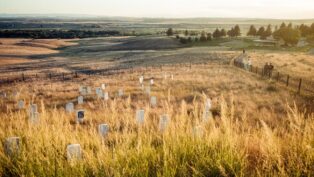
Molly Garrett McIntosh declined to attend the burial of her husband, First Lieutenant Donald McIntosh, at Fort Leavenworth on August 3, 1877. She left Fort Abraham Lincoln in the Dakota Territory in late July 1876, a broken woman with no idea how she would go on without her beloved. First Lieutenant McIntosh, the thirty-seven-year-old commander of the Seventh Cavalry’s Company G, fell with the other officers at the Battle of the Little Bighorn. His remains had been identified by his brother-in-law, Lieutenant Frank Gibson. Gibson was with the Seventh’s Company H and part of the detail dispatched to the scene to recover and bury the bodies of his fellow soldiers. According to a report from Lieutenant Charles F. Roe who rode with Gibson on the detail, Donald’s body was found close to the banks of the Little Bighorn River. He had been stripped and scalped; his head was “pounded to jelly.” His remains were identified by the special sleeve buttons found near where his body lay. The “gutta-percha” buttons had been a present from Molly and presented to him just before he had ridden out with General Custer to Montana.* She secretly had had them sewn on his uniform.
Not long after leaving Fort Abraham Lincoln to return to Baltimore to live with her mother, Molly learned of the condition of her husband’s body. She was desperate to find out what had happened to Donald. She knew he kept a journal of his activities. It was a small, dark book he always kept tucked in the pocket of his uniform. Molly wanted to know if the journal had been located. She also wanted to know if his wedding ring had been taken by the Indians after the battle. The ring, gold with a small diamond, bore the initials inside of both Donald and Molly along with the number sixty-six for 1866, the year the two were married. Neither his journal nor his wedding ring was located. Molly’s sister Katherine, wife of Lieutenant Frank Gibson, thought it was cruel not to let her know the truth and gently explained what Frank had shared with her about Donald’s death. Molly was grateful but imagining how her husband suffered drove her to her parents’ home where she shut herself away.
Molly’s father, Milton Garrett, had passed away in 1869, and her mother Mary was alone and in poor health. Molly was there to take care of her. Apart from Mary, Molly saw no one. She isolated herself from the world to grieve the loss of her spouse alone.
The Widowed Ones 3
I'm looking forward to hearing from you! Please fill out this form and I will get in touch with you if you are the winner.
Join my email news list to enter the giveaway.
"*" indicates required fields
To learn more about Molly McIntosh and her friends read
The Widowed Ones: Beyond the Battle of the Little Bighorn
This Day…
Downing Journalism Award Finalist
This Day…
1963 – Soviet cosmonaut Valentina Tereshkova, the first woman to travel in space, returned to Earth in the spacecraft Vostok 6.
How the West Was Worn
How the West Was Worn: Bustles and Buckskins on the Wild Frontier
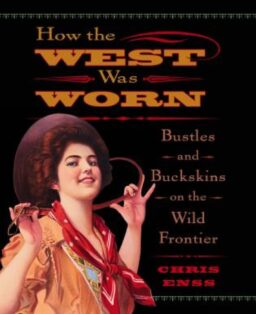
Currently #45 on Amazon’s best seller ranking in the category of Antique & Collectible Textiles & Costumes
Fashion that was in vogue in the East was highly desirable to pioneers during the frontier period of the American West. It was also extraordinarily difficult to obtain, often impractical, and sometimes the clothing was just not durable enough for the men and women who were forging new homes for themselves in the West. Full hoopskirts were of little use in a soddy on the prairie, and chaps and spurs were a vital part of the cowboy’s equipment.
In this book, author Chris Enss examines the fashion that shaped the frontier through short essays; brief clips from letters, magazines, and other period sources; and period illustrations demonstrating the sometimes bizarre, often beautiful, and frequently highly inventive ways of dressing oneself in the Old West.